Glossary | New to watches | Size and fit guide | Why independent brands | Brands we stock | Buying from us | Selling to us | Ward Hoard
New to watches?
Mechanical watches can seem complicated at first — but they don’t have to be. This guide walks you through the essentials so you can understand what a watch actually is, how it works, what features matter (and which don’t) and how to confidently choose your first mechanical watch.
If any of the jargon (and there’s plenty of it!) leaves you scratching your head, our glossary breaks everything down into simple, friendly explanations.
1) How a mechanical watch works
A mechanical watch is a tiny machine powered by stored energy — usually a coiled spring. That energy flows through a train of gears, is regulated by an escapement and drives the hands around the dial. No battery, no electronics — just beautifully engineered motion.
The key parts are:
Mainspring — stores energy
Gear train — transfers energy through a series of tiny cogs and wheels
Escapement — controls the release
Balance wheel — the “heartbeat”
2) How a watch is powered
There are two main types of mechanical watch (automatic and hand‑wound) and one battery‑powered type: quartz. All three tell the time, but they are powered in different ways.
Automatic mechanical
Powered by a spring that winds itself using a rotor that moves with your motion
Sweeping second hand
Needs less daily interaction - if you wear it and stay active, it’ll never stop!
Usually a little thicker due to the rotor
Accuracy is usually a maximum of +/- 15 seconds per day, most better than this
Hand‑wound mechanical
Powered by a spring that you wind using the crown (every day or two)
Sweeping second hand
Some prefer it as it is more traditional, tactile experience where you engage with your watch daily
Often slimmer because there’s no rotor
Accuracy is usually a maximum of +/- 15 seconds per day, most better than this
Most run for 40 to 50 hours on a full wind
Quartz
Powered by a battery
Ticks once per second
Very accurate
Low maintenance, requires battery change every two to three years
Great as a ‘grab and go’ as it needs no setting and won’t stop if you don’t wear it
3) How watch styles evolved
Before watches became everyday accessories, they were created because they were needed. Long before phones, computers, dashboards or digital displays, a mechanical watch was developed as the only reliable way to keep track of time when it mattered.
Their features weren’t designed for fashion — they were designed for survival, navigation, safety and professional use. Whilst time is now all around us, modern watch styles carry that heritage through their design language.
Whilst there are many categories, subcategories and cross-over categories, some common types are listed below.
Diver
Born when divers had no digital gear to tell them how long they'd been underwater.
Rotating bezel to track air time
Strong lume for low visibility
Robust cases and screw‑down crowns
Field (or adventure)
Originally issued to soldiers; readable and reliable with no backup instruments.
Clean dials, high legibility
Durable, simple construction
Aviation
Early pilots had no flight computers and minimal instrumentation.
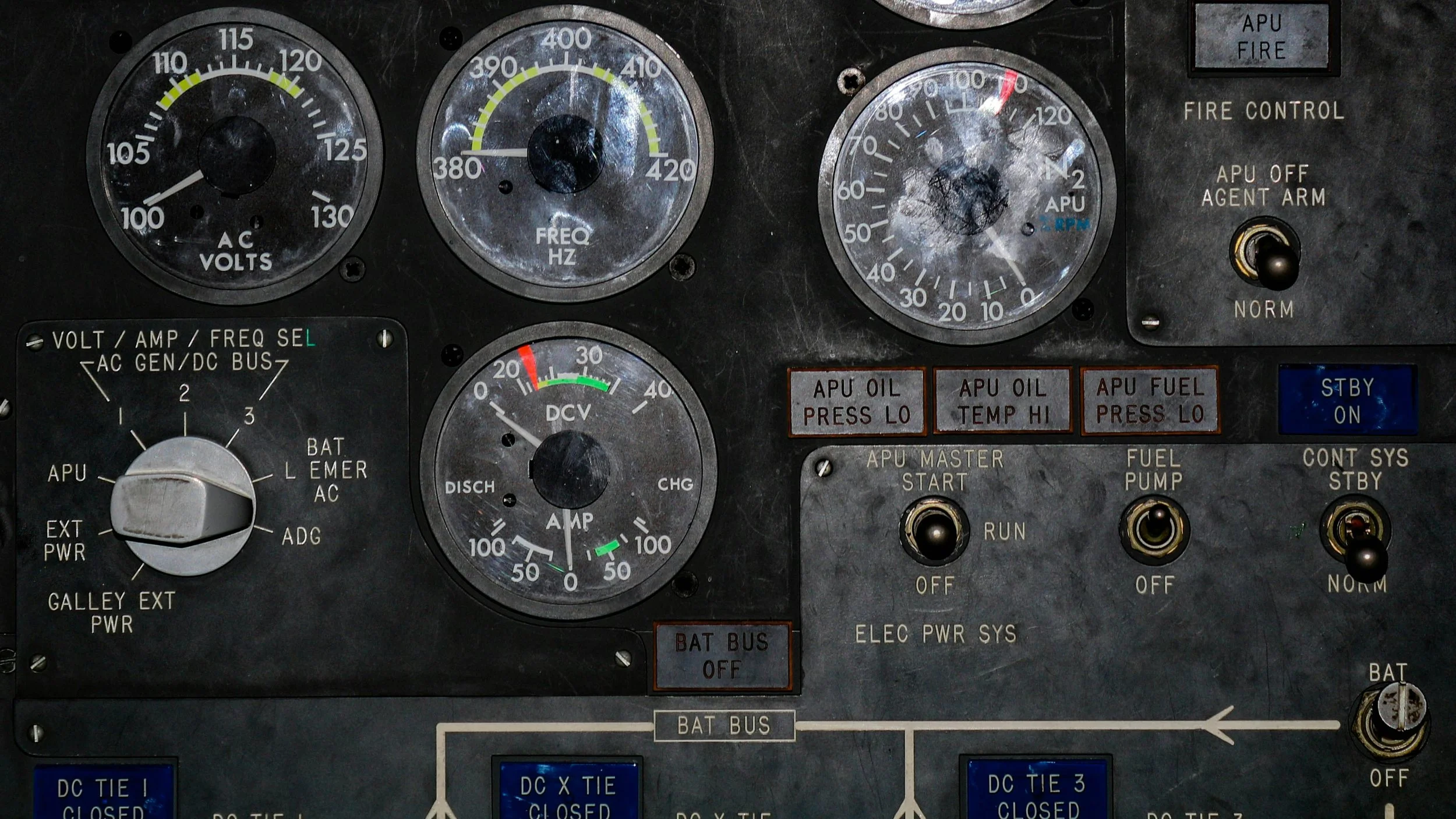
Large numerals, high contrast
Oversized crowns for glove use
Motorsport
Pre‑electronic timing, chronographs measured laps and speed.
Chronograph sub‑dials, tachymeter scales
Purposeful, technical look
Dress
Made for formal settings; slim and elegant before screens were everywhere.
Minimalist dials, thin cases
Slim and balanced proportions
4) How to choose a watch
Once you understand the main categories of different watch styles exist and their primary attributes, it becomes much easier to work out what might suit you best.
Start by thinking about how and where you’ll wear your watch most. For example:
if you are after a watch that you want to wear in all situations - out for dinner, to the beach and down the tip, you might be best suited with something rugged, like an adventure or diver style watch;
if you want it exclusively for dressier or office settings, you may wish to consider a dress or atelier style watch; or
if your business or leisure activities involve foreign travel, a GMT or world timer might be the ticket.
Ultimately, it’s hard to go wrong. It’s what you like that matters. Stick to that basic principle and you can’t go far wrong. There is nothing to say that you can’t wear a diver with a dinner jacket (just ask James Bond), or an aviation watch to a motor race.
5) What size should I pick?
Size is one of the most important part of choosing your first watch.
As a (very) simple guide:
Wrist under 6.5": 36–39mm
Wrist 6.5 to 7.25": 39–41mm
Wrist over 7.25": 41–43mm
Wrist diameter is useful as a guide but it certainly isn’t everything. Other relevant factors can include profile of wrist, lug to lug length of the watch, thickness of the watch, style of watch and, most importantly, personal preference.
By way of illustration, my wrist size is 6.75” and I have watches that range from 36mm to 42mm in my own collection. Read the full Size and fit guide for a proper breakdown.